Safe and Effective Attic Mold Removal: A Homeowner's Guide
If you live in an older home or one with past roof leaks, you have probably noticed that attic spaces are prone to moisture problems. Warm air rises and can get trapped under the roofline, especially in climates with cold winters and humid summers. Over time, that trapped moisture creates the perfect environment for mold to grow. I have seen attics where a small roof leak went unnoticed for just a few weeks, and the mold spread across the plywood sheathing and rafters like a dark stain. Addressing it promptly matters, because attic mold can affect indoor air quality and even cause structural decay if left unchecked.
Many homeowners try to handle the problem on their own, which is understandable. Mold looks alarming, and professional remediation can feel expensive. But the approach you take depends on how extensive the growth is. A small patch of surface mold on a single rafter is very different from mold that has colonized the entire attic floor. In this guide, I will walk through the practical steps of attic mold removal, covering the tools, materials, and safety measures that actually work, as well as the situations where you should call in a professional mold inspector or a remediation company.
Why Attic Mold Is Different From Basement Mold
Mold in a basement usually comes from groundwater seepage or high humidity against concrete walls. In an attic, the main culprit is condensation. When warm indoor air meets the cold underside of the roof deck, moisture condenses on the wood. This is especially common in homes with inadequate attic ventilation or where bathroom fans and dryer vents exhaust into the attic space instead of outside. Unlike a damp basement, an attic can also get very hot in summer, which accelerates mold growth once moisture is present.
Because attics are often unfinished and hard to access, mold can spread for months before anyone notices. By the time you spot it, the colony may have penetrated deep into the wood fibers. Surface cleaning with bleach may remove the discoloration, but it will not kill mold roots embedded in porous surfaces. That is why a thorough plan for attic mold removal must include both cleaning and drying, and in severe cases, removal of contaminated materials.
Safety First: What You Need Before You Start
Before you touch any mold, protect yourself. Mold spores are airborne and can cause allergic reactions, respiratory irritation, and other health problems. At a minimum, wear an N-95 respirator that seals tightly around your face. Standard dust masks will not filter out mold spores effectively. Also wear protective gloves, preferably nitrile or rubber, and safety goggles to keep spores out of your eyes.
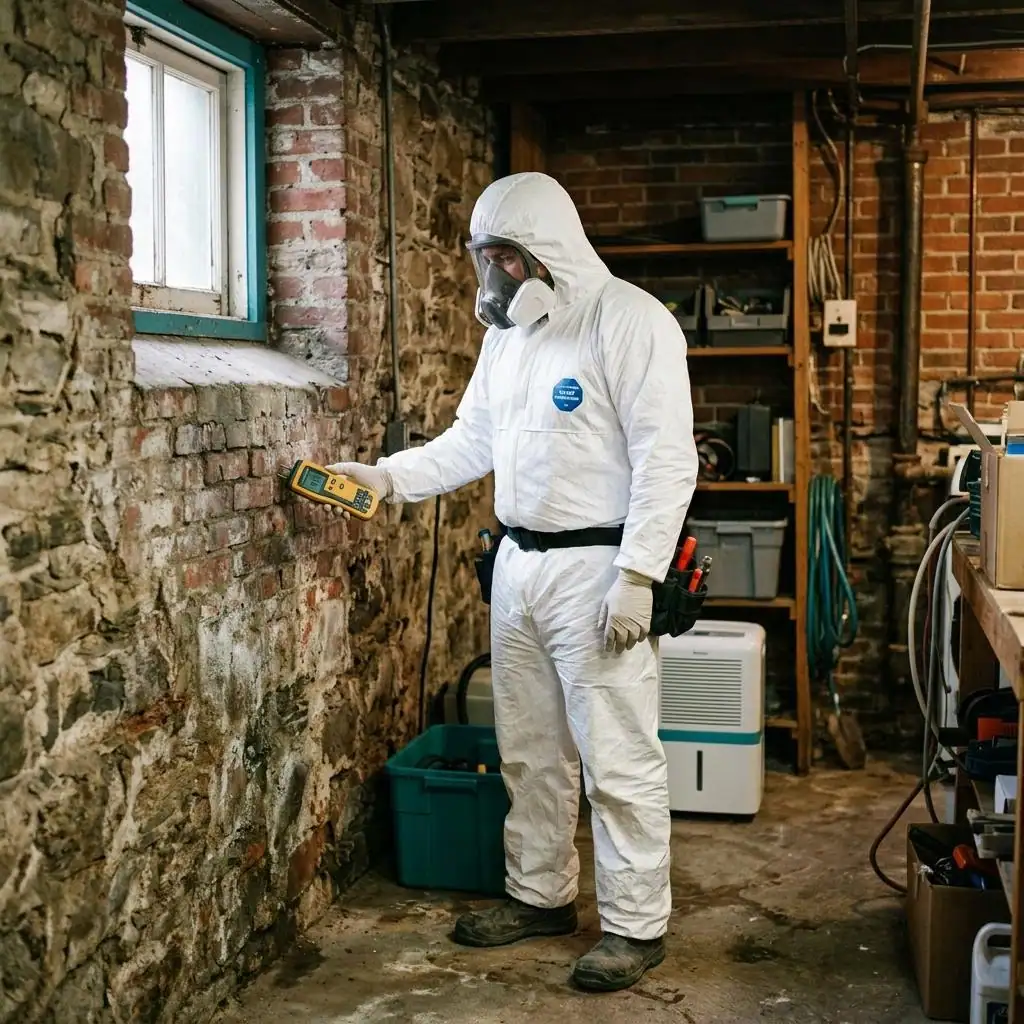
If the mold covers more than about ten square feet, consider hiring a professional. The EPA guidelines recommend professional remediation for larger areas because the risk of spreading spores through the home is high. For smaller patches, you can proceed with caution, but always isolate the work area. Seal off the attic door with plastic sheeting and tape, and keep the HVAC system turned off to prevent spores from circulating through the house.
Assessing the Extent of the Mold
Start by inspecting the attic thoroughly. Use a flashlight and an inspection camera to look into tight corners, behind stored boxes, and along the roofline where the framing meets the deck. Pay close attention to areas around vents, chimneys, and plumbing stacks where warm air may leak out. If you see mold on the underside of the roof sheathing, the leak is likely coming from above, check for missing shingles or damaged flashing.
Take note of the type of surface. Mold on bare wood behaves differently than mold on drywall or insulation. If the drywall is soft or crumbling, it probably needs to be cut out and replaced. Mold on fiberglass insulation is nearly impossible to clean; removal and replacement are usually the only reliable options. The same goes for any cellulose-based insulation that has absorbed moisture. In those cases, attic mold removal becomes a tear-out job, not a cleaning job.
Cleaning Small Areas of Surface Mold
For light surface mold on solid wood or concrete, you can clean it yourself with the right products. Many people reach for bleach, but bleach is actually not the best choice for porous surfaces. Bleach is mostly water, and the water can soak into the wood and feed mold growth deeper in the grain. Instead, I recommend using a commercial fungicide like Concrobium or RMR-141. These products are designed to kill mold on contact and leave a residue that helps prevent regrowth. Spray them on, let them sit for the recommended time, then scrub with a stiff brush.
If you prefer a natural approach, distilled white vinegar is effective against many common mold species. Fill a spray bottle with undiluted vinegar, spray the affected area, and let it sit for an hour before wiping. For tough stains, hydrogen peroxide can be used after the vinegar. Tea tree oil mixed with water (about one teaspoon per cup of water) also works as a natural fungicide, though it is less potent than chemical options. For concrete or masonry surfaces, a solution of borax and water can kill mold and inhibit future growth without releasing harsh fumes.
After cleaning, dry the area thoroughly. Use a dehumidifier in the attic for several days to pull moisture out of the air. If the attic has windows, open them on dry days to increase attic ventilation. A box fan placed in the attic opening can help circulate air. The goal is to keep the relative humidity below 50 percent, which is the threshold that mold needs to thrive.
When to Call a Professional
I have seen homeowners spend days scrubbing mold off rafters only to have it return within weeks because the underlying moisture problem was never fixed. That is where a mold inspector can help. A good inspector will use moisture meters and thermal imaging to find hidden leaks and condensation points. They can also test the air quality to determine whether spores are circulating into your living space.
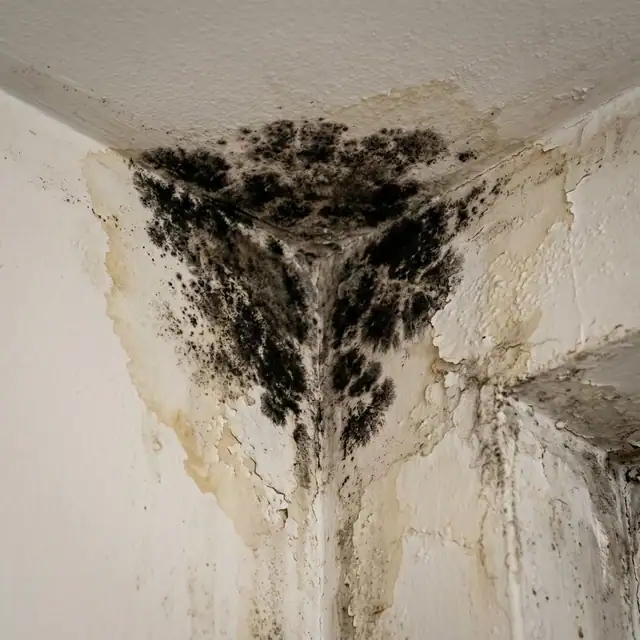
For extensive mold growth, especially if it has spread into the insulation or drywall, you should contact a remediation company. Companies like EnviroKleen offer specialized services that include containment, HEPA vacuuming, and removal of contaminated materials. They use commercial-grade equipment, including a mold fogger for large areas, to ensure that all spores are neutralized. A professional remediation company will also follow EPA guidelines for safe disposal and cleanup, which reduces the risk of cross-contamination in your home.
When you hire a professional, they will often start by setting up negative air pressure inside the attic using plastic sheeting and exhaust fans. They will then remove all porous materials that cannot be cleaned. After that, they will use a HEPA vacuum to capture any remaining spores from every surface, including the floor, rafters, and ductwork. Finally, they apply an antimicrobial coating to help prevent future outbreaks.
Preventing Mold From Coming Back
Once you have completed the attic mold removal process, the next step is prevention. The most effective long-term solution is to control moisture at the source. Start by sealing any air leaks from the living space below. Caulk around light fixtures, plumbing penetrations, and attic hatches. Make sure that bathroom fans and dryer vents exhaust directly outside, not into the attic.
Improving attic ventilation is equally important. Ridge vents, soffit vents, and gable vents allow air to flow naturally through the attic, carrying away moisture. If your attic lacks adequate ventilation, consider installing a solar-powered fan or a thermostatically controlled attic fan that turns on when temperatures rise. A dehumidifier placed in the attic can also help during humid months, but it is not a substitute for proper airflow.
Inspect your roof regularly for damage. Missing shingles, cracked flashing around chimneys, and clogged gutters can all lead to water intrusion. After heavy rain or snow melt, check the attic for signs of moisture. Catching a small leak early can prevent a mold problem that requires expensive remediation later.
Finally, store items in the attic with care. Cardboard boxes and paper products can absorb moisture and become mold food. Use plastic bins with tight lids instead. If you store seasonal decorations or clothing, consider adding moisture-absorbing silica gel packs to the containers. Keep stored items off the floor where they can trap condensation.
Choosing the Right Products for the Job
The market is full of mold removal products, but not all are suitable for attic use. For example, bleach-based cleaners can produce fumes that are irritating in an enclosed space. I prefer products like Concrobium and RMR-141 because they are effective and less harsh than bleach. Both are available at most hardware stores and online. For spot treatment on small areas, hydrogen peroxide or vinegar can work, but they require more elbow grease and may need repeated applications.
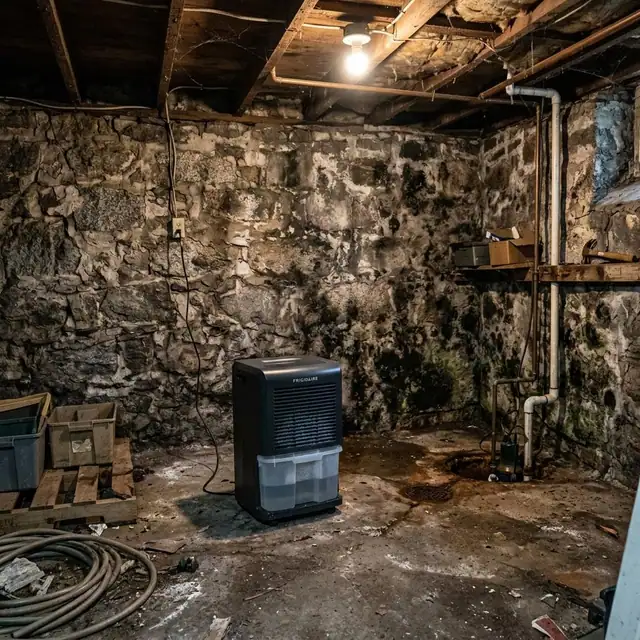
If you decide to use a mold fogger, be aware that these machines disperse a fine mist of fungicide into the air. They can treat large areas quickly, but they should only be used after the attic has been cleaned of visible mold. The fog will not penetrate thick layers of dust or dirt. A fogger is a finishing step, not a primary treatment. Always follow the manufacturer's instructions and wear protective gear, including an N-95 respirator and protective gloves, when using a fogger.
Final Thoughts on Attic Mold Removal
Attic mold removal is not a task to take lightly. The confined space, the potential for hidden leaks, and the health risks all demand a careful approach. For small patches, a do-it-yourself method with the right products and safety gear can work well. But if the mold covers a large area or has spread into insulation or drywall, it is worth investing in a professional mold inspector and a remediation company. The cost of hiring a professional is small compared to the value of your home and your family's health.
In Boston MA, where older homes are common and the climate swings between cold winters and humid summers, attic mold is a frequent issue. Many local homeowners have found success by combining regular roof maintenance with improved attic ventilation and periodic inspections. The key is to act early, use effective products like those from EnviroKleen or Concrobium, and never underestimate the importance of drying the space thoroughly after any treatment. With the right approach, you can keep your attic dry, safe, and mold-free for years to come.